M32U3A2
Reflection on Diversity, Equity and Inclusion

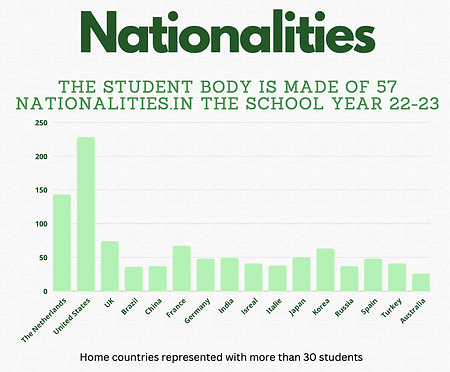


Being an international school with more than 1600 families from 59 countries in the world, ISA takes much pride in our value and beliefs on diversity, equity and inclusion. Our mission and vision statements name it, our strategic plan highlights it, and our array of culture celebration events demonstrate it.
We value the development of home languages, not just English. Mother Tongue Language academy provides opportunities for Lower school students to further develop their languages in the After School Programmes in the forms of play groups in the early childhood, and on-site tutored groups from Grade 1. During the weekly library visit, students are encouraged to borrow books in their home languages, which enriches their exposure to the home language and culture, as well as creates home reading opportunities to invite parents’ involvement and cultivate learning partnership. In the Upper School, we are proud of our special language programs with a diverse language choices. Compared with the IB MYP program in other international schools, our students are able to choose 2 languages other than English, with the expectation that students could further develop their home languages while acquiring an additional language. For students who would like to pursue home languages other than what are being offered, they could have tutored language classes during their language blocks in world language classrooms. Our school sets the stage for students to acknowledge and value the important of their home languages and cultural background. PTA is also dedicated to organises book drive in the school community for families to share authentic reading resources in their home languages and related to their home culture.
We value the learning partnership and foster the connections with families in the community. Being in an international community far away from home countries, families and friends, people share the initiatives to reach out to each other and make connections. Our returning families from different cultural groups would welcome new families during the orientation week, and try their best to offer information to help new families with a smooth transitioning into ISA and the Netherlands. Parents get to know their children’s teachers and curriculum overview at the Back to School Night at the beginning of the school year, and periodically get invited to attend grade level coffee mornings led by curriculum/grade level leaders to be informed and involved in the teaching and learning, and have opportunities to ask questions and raise concerns. Aside the open online curriculum and grade book, parents also get to communicate with teachers about their children’s progress and areas for improvement through Student- Parent- Teacher conferences, and student-led conferences. Through transparent, coherent and consistent collaboration, school, teachers and parents form partnership along side the children, provide the learning condition and environment for them to flourish and thrive toward vision.
We value building the school community and celebrating the diversity and inclusion. Our Global Village Day sets the stage for students to embrace their cultural identities with pride and to make the diversity of culture visible through traditional food, clothing, arts, performance and cultural activities. PTA Cultural committees organise cultural holiday celebrations in the foyer and Annex cafeteria to engage students, teachers, parents and school community to understand each other’s traditions, norms, value and beliefs, for example: American and Canadian committees for Thanks-giving morning; Belgium and Dutch committees for Sinter Klas celebration; Chinese committee for Chinese New Year celebration; Indian committee for Diwali, etc. Through class visit, interview and interactions, the diversity of culture engages students with their curiosity, builds the capacity with understanding, and empowers them to think and act in the way that reflects our philosophy that we are all equal, but live different lives.
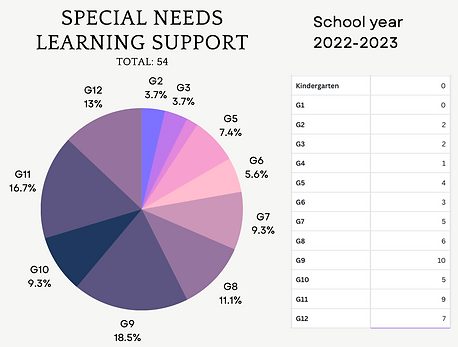

Aside all the achievement we have accomplished, I firmly believe that we could dive further and deeper on encouraging, understanding and embracing diversity, equity and inclusion (DEI) to make our school a safe and supportive environment for all, and enhance the academic, social and emotional development for our students.
Decision Making Protocols and Leadership Style
In order to embrace diversity, equity and inclusion throughout the school, it is vital to make sure that the school leadership models the inclusive behaviour when making decisions that are impactful on students, teachers, families and the community. This includes offering opportunities for all stakeholders to voice opinions and be included in the communication and decision making procedures. School decisions should be made to meet the needs of students learning and promote a positive learning environment for the students. With that said, all stakeholders should be in an integral partnership to move the school forward, and thus should have the right and responsibility to be involved, included and valued in the decision making procedures in order to foster an inclusive culture through inclusive behaviour in the school. It is not just about what we say about DEI, but more importantly what we do to reflect our beliefs.
Role of DEI Task Force
Our DEI Task Force was originated 3 years ago from an interested group in the school’s professional development program. Members in the task have had opportunities to meet, discuss and come up with our statement on Racism, Discrimination and Injustice updated on our school website.
The DEI Task force is a great initiative to lead and steer the direction for the school’s development, but we should expect an effective and sustainable system to be in place for the tasks force to initiate evaluation of the issues specifically based on our school and the situation in the world rather than focusing on certain particular countries, leads the way for whole school action plan and conducts ongoing reflection to make it meaningful to all and cultivate the inclusive climate and culture in school that reflects our norms and value. It should be a long-lasting process towards our vision and beliefs.
Professional Development
I always believe that to be a good teacher is not about what they do well themselves, but what they do to help students do well. The success of a teacher is reflected on the success of the learning of students.
Being an educator in an international school, I used to have the assumption that DEI in an international school setting is more about racial justice. As long as our students use respectful language when interacting with each other, and demonstrate culturally responsive behaviour, we would be considered to do well as educators in school.
Throughout the learning and researching in this unit, it makes me realise that there is much more we could do to ensure an inclusive education for all learners through equity-based learning, mindset, and cultural understanding.
It should be the shift of our mindset. In traditional education, there used to be only one way, the teacher’s way for students to achieve their learning goals with the cookie-cutter curriculum, pedagogy, resources and pace, and herd the learners towards the same direction, whoever fits in would elevate to the next level, and whoever doesn’t would have to drop out and be considered as failures at early stage of life.
Now we believe we know better and should do better, but how? Not letting students drop out, but leaving them struggle with gaps in their knowledge and skills and be expected to learn the concept way beyond their readiness just to keep up with the class does not give them the equal access to the learning, simply because that they are not ready yet to access to the learning.
Building equity awareness and capacity would let us reflect on our own perceptions of students, and make sure that every learner has proper challenge on their learning paths. In view of demographic in our school with multicultural student body and high turnover each year, it is vital that teachers has the awareness and capacity to make sure that learning resources are truly accessible to all learners based on their readiness, and integrate equitable learning opportunities with differentiated goals, structures, strategies, resources, and pace to meet the students where they are and guide them to where they can be.
Last but not least, to develop innovative and inclusive education to all learners, it all starts with how well we know our students as learners as well as individuals, linking the dots of who they are, what they are interested in, how they learn effectively and why they do what they do etc. Thus, investing time and efforts to get to know our students and build trusting relationship should not be nice to do, but a must to do.
Give students a voice
School should develop platforms for students to share what they have to say to promote diversity, equity and inclusion in school. We need to ensure that we provide safe and respectful spaces where everyone can express their mind and experience without judgement, and cultivate the culture of open communication.
When we talk about ownership and learner agency, from daily learning in classes, workload, social interaction with peers, connection with adults, to service clubs, enrichment program, cafeteria service, time table and campus development, we need to provide opportunities for them to be encouraged to take initiatives to let us know how they feel, what they want and what they need to engage their curiosity, capability and creativity. It is our responsibility to meet their needs, equip them with tools to achieve their own learning goals, and empower them with the efficacy, solution-oriented mindset and collaborative skills to face unforeseen situations in the real world, and become independent life-long learners.
Robinson, K. (2013) How to escape education's death valley